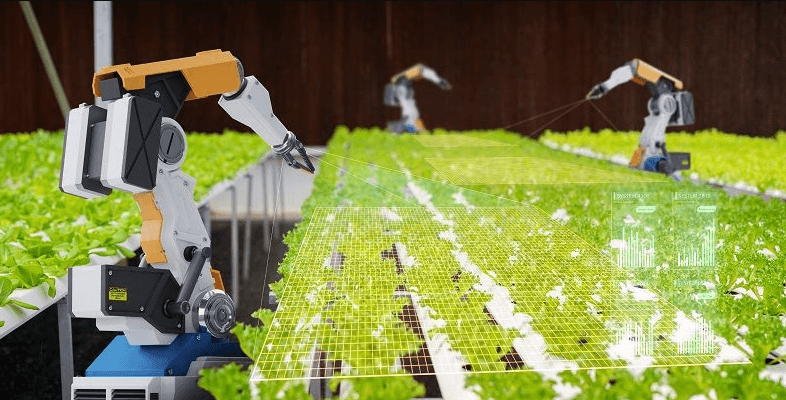
Automation for Sustainable Growth frames productivity alongside environmental stewardship, social equity, and resilient governance. It emphasizes ethical, data-driven decision making and lifecycle stewardship from concept to end-of-life. With transparent metrics and accountable rollout, it aims for supply chain resilience and equitable benefits. Verifiable data and continuous improvement empower stakeholders to scale responsible automation that sustains long-term value for people, processes, and the planet, while inviting further inquiry into how these elements converge in practice.
What Sustainable Growth Demands From Automation
Automation must align with sustainable growth by balancing productivity gains with environmental stewardship, social equity, and long-term resilience.
The analysis emphasizes measurable outcomes: productivity without ecological cost, transparent governance, and resilient supply chains.
Stakeholders seek verifiable data on efficiency myths and true value.
Automation must drive responsible cost reductions while reinvesting savings into inclusive, durable capabilities that empower freedom through sustainable, scalable progress.
How to Align Technology With People and Planet
Balancing technology with people and planet requires a framework that translates innovation into measurable social and environmental outcomes.
The analysis centers on ethics governance, ensuring accountable decision making, and transparent reporting across stakeholders.
By embedding lifecycle stewardship, organizations anticipate impacts from conception to end-of-life.
This forward-looking approach aligns automation with values, delivering sustainable growth while preserving freedom to innovate responsibly.
Practical Pathways: From Pilot to Scaled, Responsible Automation
From the foundation of aligning technology with people and planet, organizations can map practical routes that move from pilot programs to scalable, responsible automation.
Decision-makers align automation ethics with governance, risk, and talent, ensuring transparent testing and phased rollouts.
Data-driven roadmaps emphasize supply chain resilience, cross-functional oversight, and measurable benefits, fostering freedom through accountable, scalable, ethical automation deployments.
Measuring Impact: Metrics, Equity, and Continuous Improvement
How can organizations quantify the value of automation beyond cost savings to reveal true performance, equity, and long-term advancement?
Measuring impact encompasses metrics that balance productivity with people, processes, and planet. Equity metrics reveal inclusive benefits, while continuous improvement structures ensure learning loops. Responsible innovation guides data-driven decisions, aligning stakeholders’ needs with sustainable growth and transparent accountability across the enterprise.
Frequently Asked Questions
What Are the Hidden Costs of Automation for SMES?
Hidden costs emerge in integration, change management, and ongoing maintenance; these factors influence automation ROI. The analysis highlights data governance, skill gaps, and vendor dependencies, guiding stakeholders toward informed, freedom-seeking investment decisions that maximize long-term value and resilience.
How Can Automation Affect Workforce Morale and Retention?
Automation can boost workforce engagement and retention when change management enables transparent communication, skill development, and adaptive leadership; automation morale improves as employees see meaningful tasks, while retention culture strengthens through data-driven insights and inclusive, freedom-focused upskilling.
What Governance Structures Ensure Responsible AI Use?
Governance structures for responsible AI use rely on governance frameworks, ethical appraisal, risk mitigation, and accountability mechanisms, guiding decisions with transparency. The approach remains data-driven, stakeholder-focused, and forward-looking, balancing freedom with disciplined oversight to sustain trust and innovation.
Can Automation Compromise Data Privacy and Security?
Automation can compromise data privacy through exposure and mismanagement, yet governance frameworks and responsible AI practices mitigate security risks by enforcing transparency, accountability, and continuous monitoring, guiding stakeholders toward adaptable, data-driven decisions that preserve freedom and trust.
see also: bulgariajournal
How Do We Fund Long-Term Sustainable Automation Initiatives?
In allegory, a cautious sailor surveys funding models as tides of risk management rise; durable progress hinges on diversified funding models, disciplined governance, and transparent stakeholder engagement, fueling forward-looking automation while safeguarding freedoms and sustainable growth.
Conclusion
Automation for sustainable growth hinges on ethics-led, transparent, and lifecycle-aware deployment. By aligning technology with people and planet, organizations can unlock resilient supply chains, equitable benefits, and measurable social and environmental gains. A compelling statistic underscores this: projects with robust governance and verifiable metrics achieve 30–40% faster realized value and 20–25% lower risk of redesign costs. Stakeholders should prioritize data-driven roadmaps, phased deployments, and continuous improvement to scale responsible automation that sustains long-term value for all.