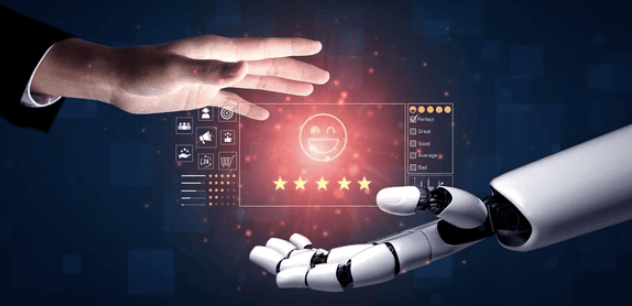
Automation in Customer Experience uses technology to route inquiries, personalize responses, and scale support across channels. It maps tools to decision points, benchmarks with data, and enforces consistent, channel-appropriate tone. Speed comes from real-time routing and adaptive workflows; personalization arises from real-time context transfer. Value is tied to clear KPIs and cost data, avoiding hype and driving sustainable gains. The challenge is balancing automation with human judgment to maintain trust and long-term satisfaction.
What Is Automation in Customer Experience
Automation in customer experience refers to the deliberate use of technology to streamline, personalize, and scale interactions across channels, from initial inquiries to post-purchase support.
The field quantifies automation benefits, mapping how tools support decision points within customer journeys.
Data-driven assessments reveal cost reductions, faster responses, and consistent experiences, enabling organizations to liberate resources while preserving human oversight and strategic intent.
How Automation Drives Speed, Consistency, and Personalization
The speed, consistency, and personalization achieved through automation emerge from tightly integrated processes that triage inquiries, route tasks, and tailor responses in real time.
Automation accelerates issue resolution via data-driven routing, creates reliable service levels, and enables adaptive interactions.
Speed optimization and personalized workflows reduce friction, build trust, and empower customers to pursue goals with clarity and confidence.
Practical Automation Tactics Across Channels
As organizations extend automation across channels, practical tactics emerge that balance speed with accuracy and tone. Data-driven insights guide routing, context preservation, and channel-appropriate tone, enabling consistent experiences.
Automation orchestration coordinates intents and handoffs, reducing friction while preserving agent leverage.
Channel handoffs are seamless, with real-time context transfer and escalation paths, empowering customers to choose outcomes while preserving strategic flexibility and freedom.
Measuring Impact and Avoiding Common Pitfalls
How can organizations quantify the value of automation in customer experience without losing sight of customer quality and strategic goals? Measured impact relies on clear KPIs, triangulated with customer feedback and cost data. The focus is on impact measurement, not hype. Awareness of automation pitfalls prevents misinterpretation of results, ensuring decisions reflect real value and sustainable improvements.
Frequently Asked Questions
How Do Customers React to Automated vs. Human Interactions?
Automated interactions shape perceptions through faster responses, yet often lack nuanced empathy; customers report higher satisfaction when automated perception is complemented by human warmth, creating a balanced experience that reinforces trust and supports strategic, freedom-oriented decision making.
What Are the Hidden Costs of Automation Implementations?
“Hidden costs surface through change management, integration, and ongoing maintenance.” The analysis shows Automation ROI can be eroded by poorly scoped programs; customers seek clarity, and teams require disciplined governance to sustain value, avoid disruption, and maintain strategic autonomy.
How Should Ethics Guide Automation in CX?
Ethics in automation guides CX by embedding fairness, transparency, and consent into design, while accountability standards ensure traceability of decisions. Data-driven insights balance customer freedom with responsible automation, aligning strategic goals with trust, compliance, and measurable impact.
Which Metrics Truly Reflect Customer Sentiment Changes?
The metrics that truly reflect customer sentiment changes are accuracy perception and sentiment signals, which enable data-driven, customer-focused insights; strategically, organizations should monitor how these signals shift alongside behavior, preferences, and perceived value, fostering freedom to optimize experiences.
See also: Automation for Sustainable Growth
How Can Automation Scale Without Sacrificing Empathy?
Like a bridge built of trust, automation scales without sacrificing empathy. The analysis shows scalable empathy arises from human-centric automation, governance, and continuous feedback; metrics track sentiment shifts, ensuring scalable empathy aligns with customer-centric, data-driven, freedom-loving strategies.
Conclusion
In the orchestra of CX, automation acts as the conductor’s baton—steady, precise, unseen. Data are the notes; real-time context, the tempo; KPIs the horizon that everyone marches toward. When routed with care, decisions flow like a calibrated river—speed without splintered focus, consistency without robotic rigidity, personalization without intrusion. The truth remains: automation amplifies human judgment, not replaces it. Align channels, map decisions, and measure impact, lest the melody lose its way in the hype.