A boat’s interior can lose its appeal long before the rest of the vessel shows obvious wear. Sagging ceiling material, stains, peeling adhesive, and mildew can make a cabin feel neglected and uncomfortable. Replacing the headliner can refresh the space, but the material needs to handle the conditions found inside a marine environment.
For boat owners researching boat headliner fabric, the decision should go beyond color and texture. Moisture resistance, durability, backing compatibility, installation requirements, maintenance, and the condition of the existing surface all deserve attention.
The right headliner can create a cleaner interior while helping protect the surfaces beneath it.
What Is a Boat Headliner and Why Does It Matter?
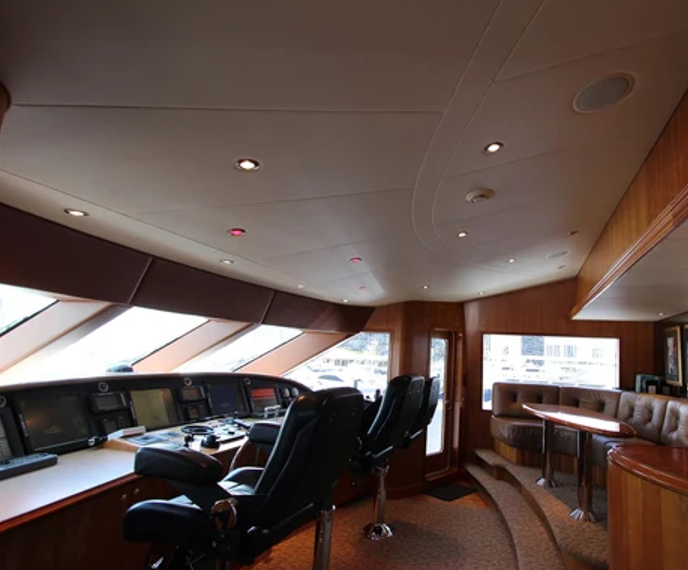
A headliner is the material installed across the interior ceiling of a boat’s cabin or other enclosed areas. It contributes to the visual appearance of the space while also covering underlying surfaces and construction elements.
Interior Ceiling Coverage
Headliners provide a finished surface across areas that may otherwise expose fiberglass, wood, insulation, wiring, or other components.
A properly fitted headliner creates a more polished interior and helps conceal the structural elements above the cabin.
Appearance and Comfort
The ceiling occupies a significant portion of the cabin’s visual field. A worn or discolored headliner can make the entire interior appear older.
Fabric can also contribute to the overall feel of the space by adding texture and softness compared with a bare hard surface.
Insulation Considerations
Depending on the construction of the boat and the materials used, a headliner system may contribute to insulation and sound absorption. The exact performance depends on the complete installation rather than the fabric alone.
Protection of Underlying Surfaces
A headliner can help cover and protect the surface beneath it from everyday contact, dust, and other interior exposure.
Role in a Complete Cabin Refit
Replacing the headliner can be part of a larger interior update. Coordinating it with seating, cushions, curtains, flooring, and other finishes can create a more consistent cabin design.
What Should You Look for in Marine Headliner Fabric?
Not every interior fabric is appropriate for use aboard a boat. Marine conditions can expose interior materials to humidity, condensation, salt air, and temperature fluctuations.
Moisture Resistance
Moisture resistance is an important consideration because cabins can experience humidity and condensation. A suitable fabric should be selected according to the expected environment and installation method.
Mildew Resistance
Warm, damp conditions can contribute to mildew. Materials designed for marine or demanding interior applications may offer characteristics that make them more suitable for these conditions.
However, fabric selection should be paired with adequate ventilation and moisture management.
Durability
Headliners can experience regular contact during cleaning, maintenance, and normal use. Durable material can help maintain its appearance over time.
The fabric should also be compatible with the adhesive and backing system used during installation.
Color and Texture
Color can significantly affect the feel of a cabin. Lighter shades can create a more open appearance, while darker tones may provide a more enclosed and refined look.
Texture should also coordinate with other upholstery and interior materials.
Ease of Maintenance
Boat interiors can collect dust, dirt, sunscreen residue, and other contaminants. Before selecting a fabric, check its cleaning requirements and determine which products are suitable.
Easy maintenance can be particularly useful for boats used frequently.
How Does the Marine Environment Affect Headliner Materials?
A cabin may seem protected from the elements, but marine interiors still experience conditions that can affect fabrics and adhesives.
Humidity
High humidity can contribute to moisture accumulation and may affect adhesives, backing materials, and surrounding surfaces.
A headliner should therefore be selected and installed with the expected humidity level in mind.
Condensation
Temperature differences between the cabin interior and surrounding environment can create condensation. Repeated moisture exposure can contribute to staining, adhesive failure, or mildew.
Salt Air
Salt particles can enter the cabin through ventilation, doors, windows, and regular boat activity. Over time, residue can settle on interior surfaces.
Temperature Changes
Marine interiors can experience significant temperature fluctuations. Materials and adhesives need to accommodate these conditions without prematurely failing.
Limited Cabin Ventilation
Poor airflow can allow moisture to remain inside the cabin. Even high-quality fabric can develop problems if the interior remains consistently damp.
Good ventilation is therefore part of maintaining a healthy headliner environment.
Should You Replace Only the Fabric or the Entire Headliner?
Replacing the visible fabric may not always solve the underlying problem. Before starting a refit, inspect the complete headliner system.
Condition of Backing Material
Backing material can deteriorate over time. If it has become brittle, damaged, or contaminated, installing new fabric over it may not produce a durable result.
Adhesive Failure
Sagging or loose sections can indicate adhesive problems. The surface should be evaluated to determine whether old adhesive needs to be removed before a replacement is installed.
Water Damage
Stains or discoloration may point to moisture entering from above. Any source of water intrusion should be addressed before installing new material.
Sagging
A sagging headliner can result from deteriorated adhesive, moisture, age, or problems with the backing. Simply attaching new fabric without addressing the cause may lead to recurring issues.
Staining
Persistent stains may indicate contamination within the existing material or backing. Replacement can provide a cleaner result when the damage cannot be adequately removed.
Underlying Surface Condition
The surface beneath the headliner should be clean, stable, and suitable for the new installation. Proper preparation can have a significant effect on adhesion and finished appearance.
What Design Factors Should You Consider?
A headliner does more than cover the ceiling. Its color and texture can influence how the entire cabin looks.
Color Coordination
Choose a shade that works with the boat’s existing upholstery, cabinetry, flooring, and trim. A coordinated palette can make the interior feel more intentional.
Texture
Texture affects both appearance and the visual character of the cabin. Consider how the material looks under different lighting conditions before making a final selection.
Cabin Lighting
Lighting can change how a fabric color appears. A shade that looks different in natural daylight may have another appearance under interior lighting.
Upholstery Coordination
Matching or complementing the headliner with seating and cushions can create visual continuity.
Overall Interior Design
The headliner should support the desired style of the cabin rather than competing with other interior features. Practical requirements should remain the priority, but appearance still plays an important role.
How Can Professional Installation Improve a Headliner Refit?
Even a suitable material can perform poorly if it is installed incorrectly. Headliner installation requires attention to preparation, measurements, adhesive, edges, and finishing.
Accurate Measurements
The material needs to accommodate the dimensions and shape of the installation area. Accurate measurements can reduce unnecessary seams and help minimize material waste.
Proper Surface Preparation
Old adhesive, dirt, dust, and damaged backing can interfere with the new installation. Preparing the surface correctly provides a cleaner foundation.
Adhesive Selection
The adhesive needs to be appropriate for the fabric, backing, substrate, temperature range, and marine environment. Using an unsuitable adhesive can lead to premature separation.
Seam and Edge Finishing
Edges and seams should be finished carefully to create a clean appearance. Proper finishing can also reduce the risk of loose sections developing later.
Consistent Installation
Even tension and careful placement help reduce wrinkles, bubbles, and uneven sections. Professional installation can be especially useful where the ceiling has curves, corners, fixtures, or irregular shapes.
For marine upholstery, headliners, canvas, and interior solutions, Canvas Designers offers materials and services suited to boat-specific requirements.
How Should You Maintain a Marine Headliner?
Regular care can help preserve the appearance and condition of the material.
Regular Inspection
Check the headliner periodically for discoloration, loose sections, stains, wrinkles, or signs of adhesive failure.
Appropriate Cleaning
Use only cleaning methods recommended for the selected fabric. Harsh chemicals or excessive moisture can damage certain materials.
Moisture Control
Address excessive humidity and condensation where possible. Persistent moisture can affect both the fabric and the materials underneath it.
Ventilation
Good airflow can help reduce moisture accumulation inside the cabin. Opening appropriate ventilation points when conditions allow can help the interior dry.
Prompt Attention to Problems
A small loose section or stain may be easier to address than widespread deterioration. Early inspection can help identify problems before a larger refit becomes necessary.
If you are planning a headliner replacement or marine interior project, you can discuss your requirements through the contact page.
Frequently Asked Questions
1. What fabric is best for a boat headliner?
The appropriate fabric depends on the boat’s interior conditions, moisture exposure, desired appearance, and installation system. Marine-suitable materials with suitable durability and moisture characteristics are generally preferable.
2. Why does a boat headliner start sagging?
Sagging can result from adhesive failure, moisture, deteriorated backing, age, or temperature changes. The underlying cause should be identified before installing replacement material.
3. Can I install new headliner fabric over the old material?
It depends on the condition of the existing headliner and backing. If the old material, adhesive, or backing is deteriorated, removing it and preparing the surface may provide a more reliable installation.
4. How can I prevent mildew on a boat headliner?
Managing cabin moisture, maintaining ventilation, addressing leaks, and using appropriate materials can help reduce mildew risk. Regular inspection can also help identify moisture problems early.
5. How often should a boat headliner be replaced?
There is no universal replacement schedule. The lifespan depends on material quality, humidity, ventilation, installation, UV exposure, maintenance, and general cabin conditions. Visible deterioration is a more useful indicator than a fixed timeframe.
Conclusion
Choosing a boat headliner requires a balance between appearance and performance. Moisture resistance, durability, mildew considerations, color, texture, installation compatibility, and maintenance should all be evaluated before selecting replacement material.
The condition beneath the existing headliner is equally important. Sagging, staining, adhesive failure, and water damage may indicate that more than the visible fabric needs attention.
A carefully selected and properly installed headliner can give a marine interior a cleaner appearance while providing a practical finish suited to life aboard a boat.