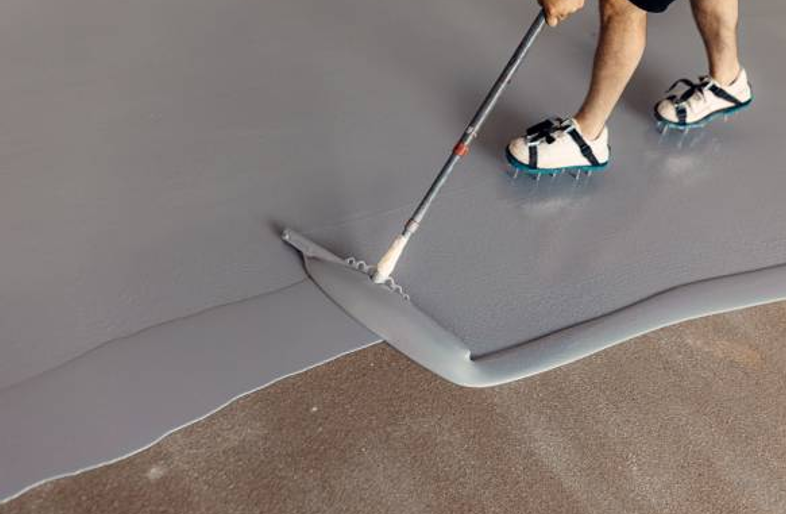
Choosing the right flooring for a busy commercial environment requires more than selecting a surface that looks professional. The floor must withstand traffic, equipment, spills, cleaning routines, and the demands of the working environment while remaining practical to maintain. This is why commercial epoxy flooring is often considered for warehouses, workshops, factories, retail areas, garages, and other high-use spaces.
Epoxy systems can create a seamless, durable surface when the substrate is properly assessed and prepared. However, not every epoxy system is suitable for every application. Factors such as traffic levels, expected loads, moisture, chemical exposure, slip resistance, finish requirements, and maintenance should all be considered before installation.
For businesses evaluating flooring options, understanding how epoxy works and what influences its performance can make the selection process more informed.
What Is Commercial Epoxy Flooring?
Commercial epoxy flooring is a resin-based flooring system applied over a prepared concrete substrate. Once installed and cured correctly, it creates a continuous surface designed to provide durability, ease of cleaning, and a professional appearance.
Unlike ordinary floor paint, epoxy systems are designed as a structured flooring solution involving substrate preparation, primers, resin applications, build coats, and finishing treatments. The exact system can vary according to the requirements of the site.
How Does an Epoxy Flooring System Work?
The installation generally begins with preparation of the existing floor. Dust, contaminants, weak surface material, old coatings, and other substances that could interfere with adhesion may need to be removed.
Depending on the selected system, a primer may then be applied before the epoxy coating. Additional coats can provide the required thickness and performance characteristics. The final finish is selected according to the intended use of the space.
Proper curing is also important. The floor needs sufficient time before it is subjected to normal traffic, equipment, loads, or cleaning.
What Makes Epoxy Suitable for Commercial Environments?
A properly selected epoxy system can provide a seamless appearance with fewer joints and areas where dirt can accumulate. This can make routine cleaning more straightforward.
Epoxy flooring can also be designed for environments where floors experience regular foot traffic, equipment movement, spills, and general wear. However, performance depends heavily on selecting an appropriate system and preparing the substrate correctly.
Where Is Commercial Epoxy Flooring Commonly Used?
Commercial epoxy systems can be suitable for a variety of working environments where durability and practical maintenance are important. The correct system should always be selected according to the specific conditions of the space.
Warehouses can use epoxy flooring where floors are exposed to frequent movement, storage activity, and equipment. Workshops and factories may also require surfaces capable of handling regular operational activity.
Retail spaces can benefit from a clean, continuous appearance, while commercial garages and service areas may require flooring that is easier to maintain when exposed to dirt, spills, and vehicle-related activity.
Industrial facilities can have more demanding requirements, particularly where heavy loads, chemicals, moisture, or specialist equipment are involved. In these situations, the flooring specification should be based on the actual operating conditions rather than appearance alone.
What Should You Consider Before Installing Epoxy Flooring?
Before choosing an epoxy system, businesses should assess the existing substrate and understand how the floor will be used. A suitable system for a lightly used commercial area may not be appropriate for an industrial environment with heavy equipment.
The condition of the existing concrete is particularly important. Cracks, uneven areas, previous coatings, contamination, and moisture can affect installation and long-term adhesion.
Traffic is another major consideration. Think about pedestrian movement, forklifts, vehicles, machinery, pallet handling, and other activities that may place stress on the surface.
Expected loads should also be considered. Heavy equipment and concentrated loads can require a different flooring specification than ordinary foot traffic.
Chemical exposure is another factor. If the floor is likely to come into contact with oils, cleaning chemicals, solvents, or other substances, the selected flooring system should be appropriate for those conditions.
Which Epoxy Flooring Finish Is Right for Your Business?
The appearance and surface characteristics of an epoxy floor can be adapted to the requirements of the space. Businesses should consider both aesthetics and functionality when selecting a finish.
Gloss finishes can create a clean and polished appearance, but the appropriate finish should also account for lighting, cleaning routines, and the intended use of the floor.
Slip-resistant surfaces may be more appropriate for areas where water, spills, oils, or other substances can create a slipping risk. The degree and type of slip resistance should be selected based on the environment and professional assessment.
Decorative finishes can also be used where appearance is important. Colour selection, flakes, aggregates, and other design elements can contribute to a more distinctive surface while retaining the practical characteristics of the flooring system.
The key is to select the finish based on the actual operating environment rather than choosing purely on visual preference.
Why Is Surface Preparation So Important?
Surface preparation is one of the most important stages of an epoxy flooring project. Even a high-quality coating can perform poorly if it is applied over an unsuitable or inadequately prepared substrate.
What Does Proper Preparation Involve?
Preparation may involve mechanical grinding to remove weak material and create an appropriate surface profile. Cleaning is also necessary to remove dust, grease, oils, and other contaminants.
Existing cracks and damaged areas may require repair before coating. Old coatings may also need to be removed if they interfere with adhesion.
Moisture should not be overlooked. Excessive moisture within a concrete substrate can create problems for some flooring systems, so an appropriate assessment should be completed where required.
The goal is to create a clean, sound, and suitably prepared surface that allows the selected epoxy system to bond effectively.
How Can Commercial Epoxy Flooring Simplify Maintenance?
Maintenance is an important consideration for businesses because flooring can affect daily cleaning routines and operational efficiency.
A seamless epoxy surface can make routine cleaning easier because there are fewer joints and gaps across the floor. Dirt, dust, and spills can generally be addressed through appropriate cleaning procedures rather than complex maintenance.
Spills should still be dealt with promptly, particularly where substances could affect the surface or create a safety concern. Regular inspection can help identify damage or wear before it becomes a larger issue.
Cleaning products should be suitable for the installed flooring system. Businesses should follow the flooring manufacturer’s maintenance recommendations rather than assuming that every commercial cleaning product is appropriate.
Regular maintenance can help preserve both the appearance and functional performance of the floor.
How Do You Compare Commercial Epoxy Flooring Systems?
Comparing epoxy systems requires more than looking at the initial price. Businesses should consider the entire application and the expected service requirements.
The intended application should be the starting point. A warehouse, workshop, retail space, and industrial facility may have completely different flooring requirements.
Coating thickness can also influence performance. Depending on the system, a thicker build may be appropriate for environments exposed to greater wear or demanding conditions.
Slip resistance, chemical resistance, durability, finish options, installation requirements, and maintenance should all form part of the comparison.
It is also useful to consider the installation process. Businesses should understand how much preparation is required, how long the project may take, and when the floor can safely return to service.
A flooring system should ultimately provide an appropriate balance between performance, appearance, maintenance, and long-term value.
What Should You Ask an Epoxy Flooring Contractor?
A detailed discussion with the flooring contractor can help clarify whether the proposed system is appropriate for the site.
Ask which epoxy system is recommended and why it matches the intended application. The contractor should also explain how the concrete substrate will be prepared and whether grinding, repairs, cleaning, or other preparation is required.
Moisture testing should be discussed where relevant, particularly when the condition of the substrate could affect installation.
Businesses should also ask which finish is appropriate, how long installation is expected to take, and when the floor can be used after completion.
Maintenance recommendations are equally important. Understanding how to clean and care for the finished floor can help protect the investment over time.
It is also worth asking about warranty coverage and workmanship support. Clear information before installation can help businesses understand what is included within the project scope.
For businesses looking for a professional flooring assessment or project discussion, you can contact the team to discuss your requirements.
Frequently Asked Questions About Commercial Epoxy Flooring
Is epoxy flooring suitable for warehouses?
Yes, epoxy flooring can be suitable for warehouses when the selected system is appropriate for the traffic, equipment, loads, and operating conditions. The concrete substrate should be assessed and properly prepared before installation.
How long does commercial epoxy flooring last?
The service life of an epoxy floor depends on factors such as the selected system, installation quality, substrate condition, traffic, loads, chemical exposure, cleaning practices, and maintenance. Proper specification and installation can contribute to longer-lasting performance.
Is epoxy flooring easy to clean?
A seamless epoxy surface can simplify routine cleaning because it provides a continuous floor with fewer joints. However, businesses should use cleaning methods and products appropriate for the specific flooring system.
Can epoxy flooring be made slip resistant?
Yes, epoxy flooring systems can incorporate slip-resistant characteristics where required. The appropriate surface should be selected according to the environment, moisture exposure, traffic, and intended use.
What affects the cost of commercial epoxy flooring?
Cost can be influenced by the size of the area, existing concrete condition, preparation requirements, repairs, selected epoxy system, coating thickness, finish, site access, and project complexity. A site assessment provides a more reliable basis for determining project requirements.
Conclusion
Selecting flooring for a high-use business environment requires careful consideration of performance, safety, appearance, maintenance, and long-term operating conditions. Commercial epoxy flooring can provide a durable and seamless surface for many commercial applications, but the right system depends on the specific requirements of the property.
Before proceeding, businesses should assess the existing substrate, expected traffic, loads, moisture conditions, chemical exposure, slip resistance requirements, and desired finish. Surface preparation should receive particular attention because proper preparation can have a significant influence on adhesion and overall flooring performance.
A professional flooring assessment can also help determine whether epoxy is appropriate and which system best suits the application. Allure Concrete Solutions can be considered when evaluating professional concrete and epoxy flooring services for commercial environments.
For more information about suitable flooring options and project requirements, visit Allure Concrete Solutions.