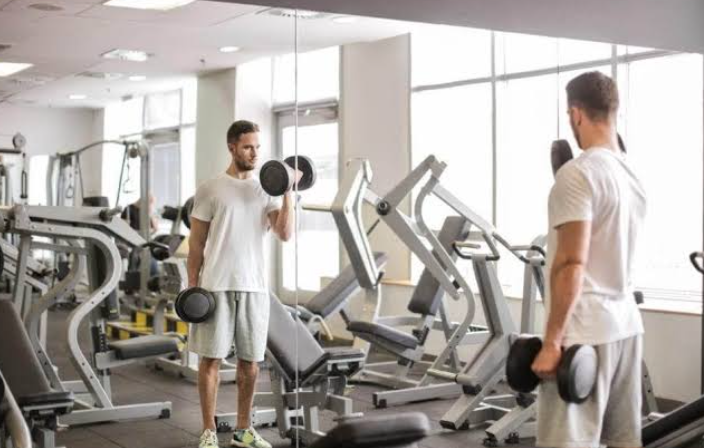
A well-designed workout space needs more than quality equipment and good lighting. The walls also affect how the room feels and functions, which makes gym mirrors a practical addition to both commercial fitness centers and home workout rooms. Luxurious Glass provides glass solutions that can help create a clean, polished appearance while giving users a clear view of their form during exercise. The right mirror, however, depends on more than simply choosing the largest piece available.
Start With the Purpose of the Room
Before selecting mirror dimensions or finishes, consider how the space will be used. A private home gym may need a different mirror arrangement than a yoga studio, weight room, dance facility, or commercial fitness center.
For strength training, mirrors are particularly useful for checking posture, lifting technique, and body alignment. In dance or movement-focused rooms, a wider wall of mirrors gives users a better view of their full body. Smaller training areas may benefit from strategically positioned sections rather than covering every available wall.
The room’s purpose should guide the size, location, and amount of reflective surface required.
Choosing the Right Mirror Size
Mirror size has a direct effect on both visibility and the appearance of the room. A mirror that is too small may provide an incomplete view, while an oversized installation can make a compact room feel visually crowded.
For many workout spaces, floor-to-ceiling mirrors provide the most useful coverage. They allow people to see their entire body while standing, stretching, squatting, lifting, or performing mobility exercises. Horizontal mirror panels can also work well along long walls where width is more valuable than height.
Consider these factors before ordering:
- Wall dimensions: Measure the usable wall rather than relying on rough estimates.
- Ceiling height: Taller rooms can accommodate larger vertical panels.
- Training activities: Full-body exercises generally benefit from greater height.
- Equipment placement: Account for racks, benches, treadmills, and storage units.
- User visibility: Make sure people can see themselves without standing directly against the wall.
- Door and window locations: These can limit the amount of practical mirror coverage.
Accurate measurements also help reduce awkward gaps between panels.
Full Wall Coverage or Selected Sections?
Covering an entire wall creates a strong visual effect and can make a smaller fitness room appear more open. It also gives users a wider field of view, which is useful in group training environments.
Full coverage is not always necessary, though. A partial installation can be more suitable for rooms containing heavy equipment, storage cabinets, wall-mounted televisions, or decorative features. A series of carefully positioned panels may provide enough viewing space without covering the entire wall.
For home gyms, one large mirrored section opposite the primary workout zone can often provide excellent functionality while keeping the rest of the room available for equipment and storage.
Selecting a Style That Fits the Space
The style of a gym mirror should complement the room rather than compete with it. Frameless mirrors are a popular choice for fitness areas because they create a continuous appearance and keep attention on the room itself.
Polished edges can give the installation a refined appearance, while beveled edges introduce a more decorative finish. Framed mirrors may work better in boutique studios, private fitness rooms, or spaces where the interior design has a more traditional character.
The choice can also depend on the overall atmosphere:
- Frameless panels: Clean and understated, suitable for most gyms.
- Large continuous panels: Useful for dance, Pilates, and group exercise rooms.
- Decorative framed mirrors: Suitable for upscale studios and residential spaces.
- Custom-shaped mirrors: Helpful for unusual walls or distinctive interior designs.
Simple designs tend to work particularly well in exercise environments because they keep the room visually uncluttered.
Think About Mirror Thickness and Safety
A gym is an active environment. People move quickly, equipment gets shifted, and accidental contact with walls can happen. Mirror selection should therefore include considerations beyond appearance.
Properly specified glass, professional installation, and appropriate mounting methods can reduce the risk associated with impact or breakage. The mirror should be installed securely against a suitable wall surface, particularly in commercial settings where usage is frequent.
Safety-backed or safety-treated glass may also be considered depending on the application and local requirements. The appropriate specification can vary according to mirror size, installation method, wall structure, and building conditions.
For large installations, professional measurement and fitting are preferable to improvised mounting. A secure installation also helps maintain consistent alignment across multiple panels.
Placement Matters More Than Size Alone
A large mirror placed in the wrong location will not provide the expected benefits. Placement should be based on where people stand and how they move through the room.
For weight rooms, mirrors are commonly positioned behind or beside lifting areas so users can observe their technique. In group exercise studios, a broad mirrored wall can give participants a clear view during coordinated movements.
Avoid placing mirrors where reflections create unnecessary glare or visual distractions. Direct sunlight can produce strong reflections, particularly during certain times of the day. Lighting fixtures should also be considered because exposed bulbs or bright overhead sources can reflect directly into the user’s eyes.
Mirrors should not interfere with doors, emergency equipment, ventilation systems, electrical fixtures, or other essential features.
Consider the Relationship Between Mirrors and Lighting
Lighting and mirrors should be planned together. Good lighting makes the reflected image clearer, while poor lighting can produce glare, harsh shadows, or distracting reflections.
Evenly distributed lighting generally works better than a single intense source. LED fixtures positioned thoughtfully around the workout area can provide consistent illumination without creating excessive reflection.
Natural light can also make a gym feel brighter, but windows directly opposite mirrors may create uncomfortable glare. In some spaces, adjusting the mirror angle or changing the position of lighting fixtures can solve the problem.
A useful approach is to stand in the planned workout position before installation and check what will appear in the reflection. This simple test can reveal issues that may not be obvious from a floor plan.
Avoid Common Installation Mistakes
Several small planning mistakes can affect the finished result. One of the most common is installing mirrors before deciding where major equipment will sit.
A better sequence is to plan the room layout first. Mark the positions of racks, benches, machines, mats, and walking paths. Then identify the areas where users need the clearest visibility.
Other issues include:
- Installing panels at inconsistent heights
- Leaving unnecessarily large gaps between mirrors
- Ignoring wall imperfections
- Positioning mirrors too close to moving equipment
- Choosing dimensions without checking access into the building
- Overlooking the effect of lighting and windows
- Using unsuitable mounting hardware
Large glass panels also need to be transported carefully. Access points, stairways, elevators, and door widths should be checked before fabrication or delivery.
Cleaning and Long-Term Maintenance
Gym mirrors collect fingerprints, dust, sweat residue, and cleaning product buildup more quickly than mirrors in many other parts of a property. Regular maintenance keeps the surface clear and preserves the appearance of the room.
Use appropriate glass-cleaning products and soft, non-abrasive cloths. Avoid harsh tools that can scratch the surface or damage edges. Cleaning schedules may need to be more frequent in busy commercial gyms than in private home workout rooms.
The edges and mounting areas should also be inspected periodically. If a panel becomes loose, cracked, or damaged, it should be assessed promptly rather than left in place.
A Practical Approach to Mirror Planning
The best mirror installation starts with the room itself. Measure the walls, map the equipment, identify the main workout zones, and study the available lighting before choosing the final design.
For a small gym, one strategically placed full-height wall may provide enough coverage. Larger fitness facilities may benefit from multiple continuous sections. Studios focused on dance, Pilates, or functional movement may need wider coverage to accommodate group activity.
A professional glass provider can also help determine suitable dimensions, edge treatments, mounting methods, and panel configurations based on the characteristics of the space.
Final Thoughts
A gym mirror should serve a practical purpose while fitting naturally into the room’s design. The right size provides useful visibility, the right style complements the interior, and thoughtful placement prevents glare and improves usability. Safety, installation quality, lighting, and maintenance deserve equal attention during planning.
A carefully planned mirror installation can make a workout area feel brighter, more spacious, and easier to use without relying on unnecessary decorative elements. For custom glass requirements and professionally planned mirror installations, contact us today to discuss the needs of your fitness space and find an option that suits its layout and purpose.