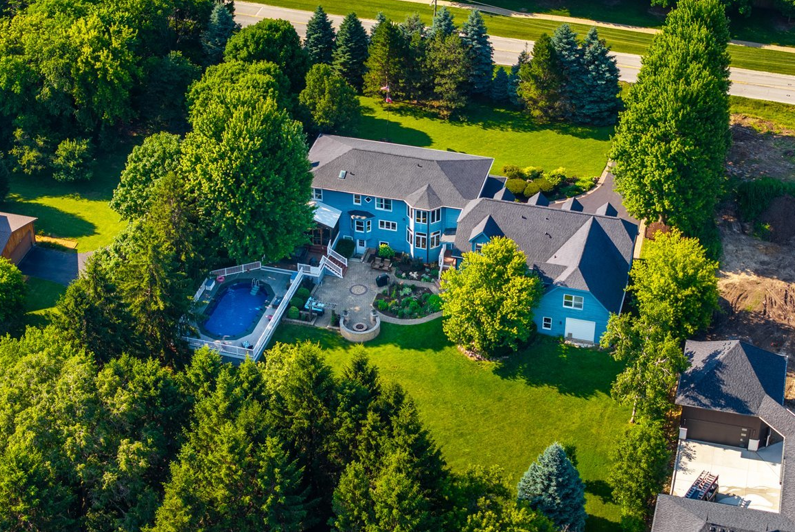
Buying a home is a major financial decision, and the right property needs to offer more than an attractive listing price. Location, property condition, taxes, neighborhood amenities, commute times, and long-term suitability can all influence whether a home makes sense for your plans.
Naperville offers a broad selection of residential properties, giving buyers plenty of choices across different price ranges, housing styles, and neighborhood settings. At the same time, that variety means buyers need a clear strategy before choosing a property.
For those beginning their search, naperville illinois real estate can provide a starting point for exploring available properties and understanding the range of homes in the area.
What Is the Naperville Housing Market Like?
Naperville’s housing market includes established neighborhoods, newer developments, different property types, and varying price points. Buyers may encounter substantial differences between properties based on location, size, condition, age, and features.
Housing Diversity
The local housing inventory includes traditional single-family properties, townhomes, condominiums, and newer construction. This variety allows buyers to consider homes based on their lifestyle, household size, maintenance preferences, and financial plans.
Some buyers may prioritize private outdoor space, while others may prefer a lower-maintenance property with shared amenities. Understanding these preferences early can narrow the search.
Buyer Considerations
Buyers should assess more than the asking price. Property taxes, insurance, maintenance, association fees, commuting costs, and potential repairs can affect the actual cost of ownership.
The condition of a property is also important. Two homes with similar asking prices may require very different levels of future spending depending on their age and maintenance history.
Local Market Factors
Factors such as available inventory, buyer demand, property condition, neighborhood characteristics, and recent comparable sales can influence pricing.
Buyers should review current market information when evaluating a specific property because conditions can change over time.
Supply and Demand
The balance between available homes and active buyers can affect how quickly properties attract offers and how much negotiating flexibility buyers may have.
A competitive market may require buyers to prepare financing and offer strategies in advance, while a market with greater inventory may provide more opportunities for comparison.
Which Types of Homes Can You Find in Naperville?
Housing choices can vary significantly in terms of ownership responsibilities, costs, space, and lifestyle.
Single-Family Homes
Single-family homes can provide private living areas, yards, garages, basements, and greater control over the property.
However, buyers should account for the responsibility of maintaining the roof, exterior, landscaping, HVAC systems, plumbing, and other major components.
Townhomes
Townhomes can offer a practical combination of private living space and shared community features. Depending on the development, an HOA may handle certain exterior maintenance responsibilities.
Before purchasing, review the association’s fees, rules, reserves, and maintenance obligations.
Condos
Condos may appeal to buyers who prefer reduced exterior maintenance and access to shared building amenities.
Monthly assessments should be included in the overall housing budget. Buyers should also review association documents and investigate potential special assessments or planned projects.
New Construction
New construction can offer contemporary layouts, updated materials, newer systems, and customization options.
Buyers should still evaluate the builder, construction specifications, warranty, completion schedule, upgrade costs, and location before committing.
How Should You Compare Naperville Neighborhoods?
A home should be evaluated in relation to its surroundings. Neighborhood differences can affect daily convenience, housing costs, and long-term appeal.
Location
Consider proximity to work, schools, shopping, healthcare, restaurants, recreation, and other frequently used destinations.
A convenient location can reduce travel time and make everyday routines easier.
Commute
Transportation should be considered before choosing a neighborhood. Look at driving routes, public transportation options, travel times, and access to major roads.
A longer commute can affect both your schedule and ongoing transportation expenses.
Amenities
Nearby amenities can influence the practicality of a location. Grocery stores, parks, restaurants, fitness facilities, healthcare providers, and community services may all contribute to everyday convenience.
Community Environment
Neighborhood atmosphere matters too. Buyers should consider factors such as street design, property upkeep, pedestrian access, green spaces, and surrounding development.
Property Characteristics
Compare homes based on lot size, age, layout, storage, parking, renovation history, and overall condition. Looking at these details alongside location can provide a more accurate picture of a property’s value.
What Should Families Consider When Buying in Naperville?
Families often have additional considerations when selecting both a property and neighborhood.
School Considerations
School availability and boundaries can be significant factors for families. Buyers should verify current school information through appropriate official resources because boundaries, programs, and policies can change.
Parks and Recreation
Access to parks, trails, recreation centers, sports facilities, libraries, and other community resources can influence family lifestyle.
The proximity and availability of these amenities should be evaluated alongside other location factors.
Family-Oriented Amenities
Families may also consider childcare, healthcare, grocery stores, community programs, and convenient transportation.
A neighborhood that places essential services within reasonable reach can simplify everyday responsibilities.
Home Layouts
The layout of a home can be just as important as its square footage. Buyers should evaluate bedroom placement, bathroom access, storage, living areas, workspaces, and outdoor areas based on current and future needs.
A functional layout may provide more practical value than simply choosing the largest available home.
What Costs Should Buyers Factor Into a Naperville Home Purchase?
The purchase price is only one part of the financial commitment.
Purchase Price
Buyers should establish a realistic budget based on their finances and financing options. Preapproval can help establish a clearer understanding of purchasing capacity.
However, buyers should avoid treating the maximum loan amount as their ideal budget.
Property Taxes
Property taxes can represent a significant recurring expense. Buyers should research the property’s current tax information and consider the possibility of future changes.
Insurance
Homeowners insurance should be included when calculating monthly ownership costs. Coverage requirements can differ depending on the property type.
Maintenance
Homeowners should maintain a reserve for repairs and replacement costs. Roofs, appliances, HVAC systems, plumbing, electrical components, and other systems eventually require maintenance or replacement.
HOA Expenses
Townhomes, condos, and some planned communities may have HOA fees. These can cover certain services and shared amenities but should be included in the overall affordability calculation.
Buyers should also understand association rules and potential assessments before purchasing.
How Can Buyers Evaluate a Home Before Making an Offer?
A property should be assessed carefully before an offer is submitted.
Comparable Sales
Recent sales of similar properties can help buyers understand whether an asking price is consistent with local market conditions.
Comparisons should account for differences in size, condition, location, renovations, and property type.
Inspection
A professional inspection can identify potential concerns involving structural components, electrical systems, plumbing, HVAC equipment, roofing, moisture, and other areas.
The inspection process should be handled according to the terms of the purchase agreement.
Property Condition
Look beyond cosmetic appearance. The age and condition of major systems can have a direct impact on future ownership costs.
A home that appears move-in ready may still require attention to less visible components.
Recent Renovations
Ask what improvements have been completed and when. Buyers should understand whether renovations involved major systems, cosmetic updates, or structural changes.
Where appropriate, documentation and permits should be reviewed.
Potential Future Expenses
Consider upcoming maintenance and replacement needs. An older roof, aging HVAC system, outdated appliances, or extensive exterior maintenance can create expenses after closing.
Understanding these possibilities before purchasing can help buyers create a more realistic budget.
What Makes Location Important for Long-Term Value?
A property is permanently tied to its location, which makes neighborhood characteristics an important part of a long-term purchase decision.
Transportation Access
Convenient transportation can support daily routines and may contribute to continued buyer interest in an area.
Consider access to major roads, public transportation, employment centers, and other important destinations.
Local Development
Future development can change an area’s character and accessibility. Buyers should research known plans for roads, commercial properties, residential projects, schools, parks, and other infrastructure.
Amenities
Nearby amenities can contribute to convenience and neighborhood appeal. Buyers should evaluate both existing services and potential future additions.
Neighborhood Demand
Consistent buyer interest can influence property competition and resale prospects. However, demand can change, so buyers should avoid relying on assumptions about future appreciation.
The strongest approach is to choose a property that works for your needs while also considering the broader characteristics that may support long-term desirability.
How Can a Local Expert Help You Navigate the Market?
Real estate transactions involve more than finding a property online. Local knowledge can help buyers interpret listings and make decisions based on relevant market information.
Neighborhood Insight
A local professional can provide context about different neighborhoods, property types, pricing patterns, amenities, and available inventory.
Listing Evaluation
Professional guidance can help buyers compare properties based on recent sales, condition, features, and asking prices.
Offer Strategy
An offer involves more than choosing a number. Financing, contingencies, earnest money, closing dates, and other terms can influence the strength of an offer.
Negotiations
A buyer may need to negotiate price, repairs, credits, timelines, or other conditions. Professional support can help keep discussions focused on the transaction’s priorities.
Closing Coordination
The closing process involves lenders, inspectors, title professionals, attorneys, sellers, and other parties. Keeping documents, deadlines, and requirements organized can help reduce unnecessary complications.
For buyers exploring digital tools and real estate resources, IvyGro provides services designed to support consumers throughout the property search and transaction process.
Buyers who need further assistance can also use the contact page to connect with the team.
Frequently Asked Questions
1. Is Naperville a good place to buy a home?
Naperville offers a variety of residential properties, neighborhoods, amenities, and housing options. Whether it is suitable depends on your budget, commute, preferred property type, lifestyle, and long-term plans.
2. What types of homes are available in Naperville?
Buyers can find single-family homes, townhomes, condos, and new construction. Availability and pricing vary by neighborhood and market conditions.
3. What expenses should I consider before buying a home in Naperville?
Consider the purchase price, down payment, closing costs, property taxes, insurance, maintenance, utilities, and HOA fees where applicable. Future repair and replacement costs should also be considered.
4. Should I get a home inspection before buying?
A professional inspection can help identify potential issues that may not be visible during a showing. Buyers should review inspection terms and requirements within their purchase agreement.
5. How can I determine whether a Naperville home is fairly priced?
Review recent comparable sales, property condition, size, location, renovations, current inventory, and buyer demand. A local real estate professional can also provide market-specific analysis.
Conclusion
Naperville offers homebuyers a broad range of properties and neighborhood choices, but finding the right home requires looking beyond photographs and asking prices. The property itself is only one part of the decision.
Buyers should examine neighborhood characteristics, commuting needs, taxes, maintenance requirements, amenities, property condition, and potential future expenses. Comparing these factors can help reveal whether a home fits both your lifestyle and financial plans.
A well-researched purchase begins with understanding the complete picture. By evaluating the home and the surrounding Naperville location together, buyers can make a more informed decision and choose a property that supports their needs today while remaining practical for the years ahead.