Products used outdoors are continually exposed to environmental conditions that can gradually change their appearance, strength, and performance. Sunlight, temperature fluctuations, moisture, and repeated weather exposure can affect plastics, coatings, rubber, textiles, and other materials. Even products that initially perform well may eventually develop fading, cracking, discoloration, or surface deterioration.
For manufacturers, identifying these changes before products reach customers is an important part of quality assurance. Laboratory weathering tests provide a controlled method for examining how materials respond to environmental stresses. By reproducing selected exposure conditions, engineers can compare material formulations, evaluate protective coatings, and identify potential durability problems within a practical testing period.
Ultraviolet radiation is especially important because it can initiate chemical changes in many materials. Understanding how UV exposure affects product performance helps manufacturers make informed decisions about material selection, protective treatments, and expected service life.
Why Ultraviolet Radiation Affects Materials
Sunlight contains different wavelengths of radiation, including ultraviolet, visible, and infrared energy. Although UV radiation represents only a portion of the sunlight reaching the Earth’s surface, it can contribute significantly to the degradation of susceptible materials.
When certain polymers, pigments, coatings, or additives absorb UV energy, chemical reactions may occur within their structures. These reactions can break molecular bonds or create reactive compounds that contribute to oxidation and other degradation processes.
The visible effects vary according to the material. A plastic component may become yellow or lose flexibility, while a painted surface may fade, chalk, or develop cracks. Rubber products can lose elasticity, and textiles may experience color fading or a reduction in tensile strength.
The severity of these effects depends on several factors, including the material’s chemical composition, UV wavelength, exposure intensity, temperature, moisture, and duration of exposure. Protective additives and surface coatings can also influence the rate of degradation.
Because these variables interact, outdoor durability cannot always be predicted from a material’s initial appearance or short-term performance. Laboratory testing offers a more structured way to evaluate susceptibility to weathering.
The Role of Accelerated UV Aging Tests
Accelerated weathering tests expose specimens to controlled environmental conditions designed to evaluate their resistance to degradation. Instead of waiting for months or years of outdoor exposure, laboratories can use specialized equipment to reproduce selected stresses under monitored conditions.
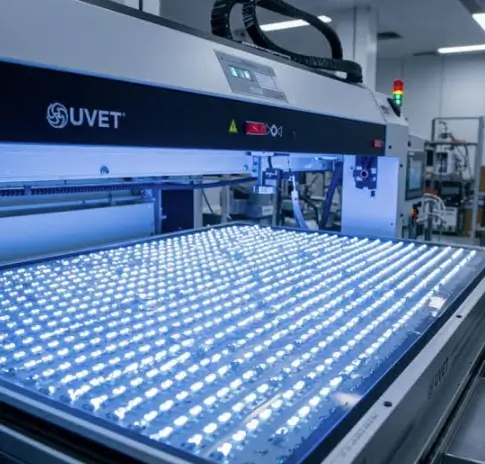
UV aging tests commonly use ultraviolet lamps to expose samples to specified radiation. Depending on the testing method and equipment, the procedure may also include elevated temperatures and periods of condensation or moisture exposure.
These conditions help researchers investigate changes in material properties, appearance, and functionality. For example, a manufacturer can compare two coating formulations to determine which retains its color more effectively or evaluate whether a plastic housing becomes brittle after repeated exposure.
Specialized LIB industry uv aging test equipment can be considered when evaluating laboratory options for controlled ultraviolet exposure and material weathering studies. The appropriate configuration depends on the test method, specimen requirements, and environmental conditions that need to be reproduced.
It is important to understand that accelerated aging does not provide a universal conversion between laboratory hours and years of outdoor service. Different materials can respond differently to accelerated conditions, so results should be interpreted within the limits of the selected test method.
Industries That Benefit from UV Aging Evaluation
UV weathering tests are useful in industries where products encounter sunlight during manufacturing, transportation, storage, or normal use.
Plastics and Polymer Manufacturing
Plastic components are widely used in outdoor furniture, construction products, automotive parts, electrical enclosures, and consumer goods. Exposure to UV radiation can alter their color, surface quality, flexibility, and mechanical strength.
Manufacturers may test different resin formulations, stabilizers, pigments, and protective additives to understand how they influence durability. These comparisons help product developers identify formulations that better suit their intended applications.
Paints, Coatings, and Surface Finishes
Protective coatings are designed to preserve the appearance and condition of underlying materials. However, prolonged sunlight exposure may cause fading, gloss loss, chalking, cracking, or other visible defects.
Testing allows coating manufacturers to compare formulations and investigate how pigments, binders, and protective ingredients respond to weathering. It can also help assess whether a surface treatment maintains its intended appearance under defined exposure conditions.
Automotive Components
Exterior automotive components can be exposed to sunlight and changing temperatures throughout their service life. Plastic trim, dashboards, exterior coatings, seals, and selected polymer parts may experience discoloration or material degradation.
UV aging evaluation helps manufacturers assess material choices and compare protective treatments. For components with specific automotive qualification requirements, testing should follow the applicable industry or customer specifications.
Construction Materials
Roofing membranes, window profiles, sealants, outdoor panels, and architectural coatings may receive substantial sunlight exposure. Their ability to retain mechanical properties and resist surface deterioration can affect maintenance requirements and product longevity.
Weathering tests help construction-material manufacturers investigate durability concerns and compare products intended for different climates or installation conditions.
Textiles and Outdoor Products
Outdoor fabrics, synthetic fibers, awnings, protective covers, and signage materials may lose color or strength following extended sunlight exposure. UV testing can help determine whether dyes, fibers, and protective finishes provide adequate resistance for the intended application.
Manufacturers can use the results to improve product specifications and select materials suitable for demanding outdoor environments.
Important Factors When Selecting Testing Equipment
Choosing appropriate equipment requires more than comparing prices or lamp counts. Laboratories should begin by identifying the materials being evaluated and the purpose of the test.
UV Lamp Type and Spectral Output
Different lamps produce different ultraviolet spectral distributions. The wavelength range matters because material degradation can vary according to the radiation absorbed by a particular substance.
Laboratories should select equipment compatible with the relevant testing standard and verify the required spectral characteristics. A lamp that does not reproduce the intended exposure may produce results that are difficult to compare with other test programs.
Exposure Control
A suitable system should allow the operator to establish the exposure conditions required by the test procedure. These may include UV exposure periods, temperature settings, and, where supported, moisture or condensation cycles.
Repeatable control is important when comparing several material formulations. If exposure conditions vary between tests, observed differences may reflect the test environment rather than genuine material performance.
Specimen Capacity and Arrangement
The usable chamber space should accommodate the expected number and size of specimens. Samples should be arranged according to the test procedure so that their exposure is appropriate and consistent.
Overcrowding can interfere with intended environmental conditions or make specimen handling difficult. Laboratories should also consider the time needed to mount, label, remove, and inspect samples.
Monitoring and Documentation
Clear operating controls and reliable recording procedures help laboratories maintain consistent test conditions. Depending on the equipment, useful features may include programmable exposure cycles, temperature monitoring, alarms, and data-recording capabilities.
The ability to document test settings, specimen identification, exposure duration, and inspection results supports traceability and makes comparisons more meaningful.
Maintenance and Technical Support
Lamp performance, sensors, moisture systems, and other components require appropriate inspection and maintenance. Before purchasing equipment, laboratories should understand replacement-part availability, service arrangements, calibration or verification requirements, and the manufacturer’s technical support process.
Considering these factors early can reduce operating disruptions and improve the long-term value of the testing system.
Preparing Samples and Conducting Reliable Tests
Consistent sample preparation is essential for obtaining useful weathering results. Specimens should be produced using documented procedures, with attention to thickness, surface condition, curing time, and other characteristics relevant to the material.
Each specimen should be labeled clearly so that results can be linked to the correct formulation or production batch. Where comparisons are planned, samples should be prepared as consistently as possible to reduce unrelated variation.
Before testing begins, operators should confirm that the equipment is functioning correctly and that the selected program matches the applicable procedure. Specimens should be installed in the required positions, with suitable spacing and mounting arrangements.
After exposure, the evaluation method should match the purpose of the test. Visual inspection may identify color changes, surface cracking, or chalking. Instrumental measurements can provide more objective information about color difference, gloss retention, tensile strength, elongation, or other relevant properties.
Using the same assessment procedure before and after exposure helps make the results easier to compare. Laboratories should also record unexpected observations rather than relying only on a single final measurement.
Interpreting Results Without Overestimating Service Life
Accelerated weathering results are most useful when they are interpreted alongside knowledge of the material and its intended application.
A specimen that performs well under one laboratory procedure may respond differently under another combination of sunlight, moisture, temperature, and atmospheric conditions. Outdoor exposure also varies by geographic location, season, orientation, pollution levels, and installation design.
For this reason, accelerated test results should be used to compare materials under defined conditions, investigate degradation mechanisms, and support product-development decisions. They should not automatically be treated as a precise prediction of the number of years a product will last outdoors.
For critical applications, manufacturers may combine laboratory aging with outdoor exposure studies, field inspections, and performance testing. This broader approach provides a more complete understanding of durability and helps establish realistic product expectations.
Frequently Asked Questions
1. What is the main purpose of UV aging test equipment?
UV aging test equipment exposes materials to controlled ultraviolet radiation to evaluate potential changes in appearance, mechanical properties, and overall durability. It helps manufacturers compare materials, investigate degradation, and assess the effectiveness of protective treatments.
See also: Why Choose a Carbon Fiber Boat Shade Pole for Lightweight, Stable Sun Protection?
2. Can accelerated UV testing predict the exact outdoor lifespan of a product?
No single accelerated test can reliably predict an exact outdoor lifespan for every material. Laboratory results depend on the selected test conditions and the material’s response. They are most useful for controlled comparisons and durability evaluation within a defined testing method.
3. Which materials can be evaluated through UV aging tests?
Depending on the equipment and test procedure, suitable specimens may include plastics, paints, coatings, rubber, textiles, construction materials, and other products affected by sunlight. The test method should be selected according to the material, its intended use, and the properties being evaluated.
Conclusion
UV aging evaluation helps manufacturers understand how sunlight-related exposure can influence material appearance, strength, and performance. By using controlled laboratory procedures, businesses can compare formulations, identify potential weaknesses, and improve material-selection decisions before products enter the market.
Reliable results depend on suitable equipment, consistent specimen preparation, appropriate exposure conditions, and objective post-test evaluation. When accelerated testing is interpreted carefully and supported by relevant field data where necessary, it becomes a valuable tool for product development, quality assurance, and long-term durability planning.